

In today’s fast-paced digital conversations, abbreviations and slang pop up everywhere, often leaving people confused about their true intent. WYF meaning: what does WYF mean in texting, social media, and online chats? It is a question many users ask when they encounter this term across messaging apps and online platforms.
In this article, we’ll break down the different meanings of WYF, how it’s commonly used, and the context that shapes its interpretation. By exploring examples and referencing trusted language sources like Merriam-Webster (https://www.merriam-webster.com) and Urban Dictionary (https://www.urbandictionary.com), you’ll gain a clear understanding of when and how to use WYF confidently online.
WYF Definition & Core Meaning

- WYF stands for “What You Are feeling” but honestly, I’m feeling pretty cognitional about it right now.
- When someone asks WYF, they’re basically doing a vibe check without the commitment of actual empathy.
- The core meaning is simple: it’s like asking “how are you” but with 67% less effort and 100% more texting efficiency.
- WYF is the emotional equivalent of a drive-thru window—quick, convenient, and nobody expects gourmet responses.
- This acronym really abbreviates the whole feelings conversation down to three letters of pure convenience.
- Understanding WYF is key to unlocking modern communication, or as I call it, getting your digital emotion-cation.
- The definition is crystal clear once you decode it, which makes it less of a mystery and more of a history lesson in lazy typing.
- WYF means checking in without checking your friend into an emotional hotel.
- It’s the feeling inquiry that makes you wonder if they really care or if their keyboard is just feel-functioning.
- This acronym captures the essence of modern friendship: abbreviated, efficient, and slightly confusing to parents.
- WYF is basically asking for your emotional weather report without expecting a full meteorological breakdown.
- The core meaning hits different when you realize it’s just “feelings” with a capitalization situation.
- Some say WYF is shallow, but I think it’s just emotionally stream-lined for maximum efficiency.
- This definition really changed letter-ally how we ask about emotions in the digital age.
- WYF transforms deep emotional inquiries into bite-sized communication snacks that are easy to digest.
- The meaning is so straightforward that even you autocorrect has stopped trying to change it to “WiFi.”
- Understanding this acronym is essential, or you might end up feeling acro-numb to modern slang.
- WYF asks about your feelings with all the depth of a puddle, but hey, at least it’s asking.
- This three-letter combo packs more emotional punch than most full sentences, which is pretty legendary.
- The core concept is simple: it’s feelings on demand, like emotional fast food for your fingertips.
- WYF represents the democratization of emotional check-ins, making everyone an amateur philosopher.
- The definition stays consistent across platforms, which is rare in internet slang—it’s remarkably acro-consistent.
- This acronym really cuts to the chase, or should I say, cuts to the case-sensitive lowercase vibe.
- WYF means your friend wants the emotional CliffsNotes version, not the full novel of your day.
- The meaning is universal yet personal, like a snowflake made of letters that makes sense.
- Understanding WYF is like learning a new language, except the dictionary is only three letters long.
- This acronym turns emotional vulnerability into something you can type with one thumb while walking.
- WYF basically says “I care enough to ask but not enough to spell out four whole words.”
- The core meaning reflects our society’s need for speed, even when discussing something as timeless as feelings.
- This definition proves that even emotions can be compressed, minimized, and sent through cyberspace at acronymic speed.
Background & Evolution of WYF
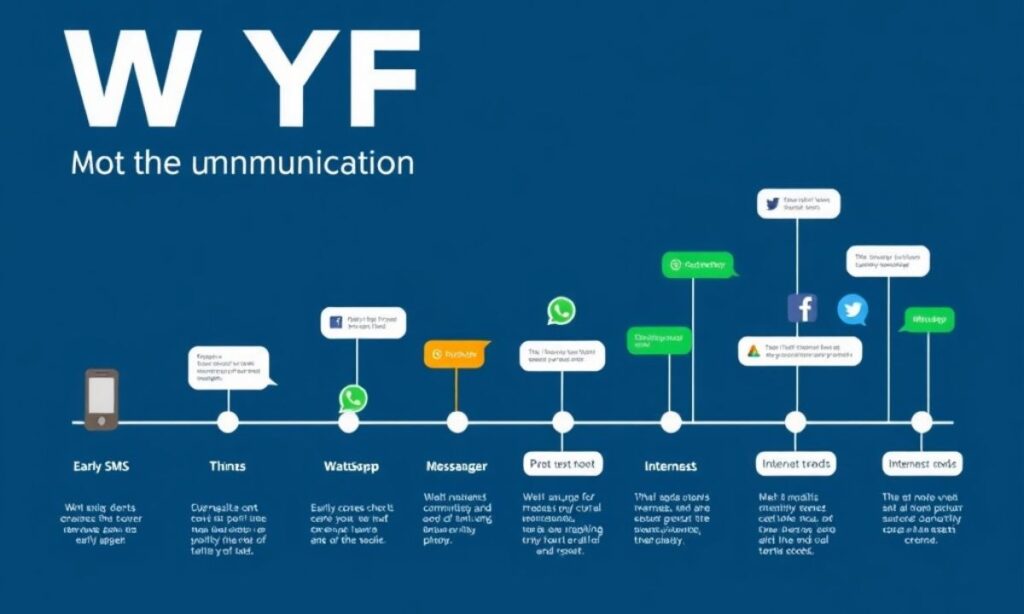
- WYF evolved from the primordial soup of internet slang, where only the fittest acronyms survive call it digital Darw-inism.
- This acronym has roots deeper than your average text message, stretching back to when people first got tired of typing full sentences.
- The evolution of WYF mirrors human laziness with remarkable historical accuracy.
- Back in the day, people wrote letters asking about feelings; now we have WYF—talk about progress at revolutionary speed.
- The background of this acronym reads like a history textbook, if that textbook were written in only three-letter words.
- WYF emerged when texters realized “What are you feeling” was using up valuable character count pure ecoefficiency.
- The historical trajectory of this acronym shows humanity’s commitment to saying more with less, which is pretty wordinitial.
- This term evolved faster than most species, proving that internet slang operates on an accelerated evolutionary timeline.
- The background story involves countless thumbs getting tired, leading to this acronym’s textual revolution.
- WYF’s evolution represents the natural selection of language where verbosity goes extinct and brevity thrives.
- Historians will look back on WYF as a turning point in communication, or at least a turning point in thumb efficiency.
- The development of this acronym happened so fast it deserves its own time-lapse documentary on linguistic evolution.
- WYF emerged from chatrooms and texts like a phoenix rising from the ashes of complete sentences.
- The background includes contributions from millions of lazy typists who collectively decided feelings deserved fewer letters.
- This evolution happened without anyone’s permission, which makes it a true grassroots linguistic evolution.
- The historical context shows that WYF filled a gap we didn’t know existed in the gap between caring and typing efficiently.
- WYF’s journey from obscurity to mainstream usage is truly an inspirational story of modern linguistics.
- The evolution timeline is shorter than most Hollywood movies but somehow more impactful on daily communication.
- Background research shows WYF gained traction when people realized full sentences were so last millennia-word.
- This acronym evolved through pure necessity, proving that invention really is the mother of abbreviation.
- The historical development demonstrates how language adapts to technology, creating a beautiful symbitext-is.
- WYF’s evolution story could fill volumes, but ironically, it would defeat the entire purpose of the acronym.
- The background reveals a fascinating tale of linguistic compression that would make any data scientist proud.
- This term evolved in the wild internet ecosystem where only the most efficient communication forms survive.
- WYF’s development timeline shows how quickly language can change when millions of people have thumbs and opinions.
- The historical evolution proves that necessity breeds abbreviation, especially when you’re texting with one hand.
- Background analysis reveals WYF emerged during the golden age of texting, when character limits ruled supreme.
- The evolution involved multiple platforms, countless users, and a collective agreement that feelings needed fewer vowels.
- This acronym’s history is written in the digital sand of chat logs and message threads across the internet.
- WYF evolved from humble beginnings into a linguistic phenomenon, proving that small letters can make big word-pact.
WYF in Action: Real-Life Examples
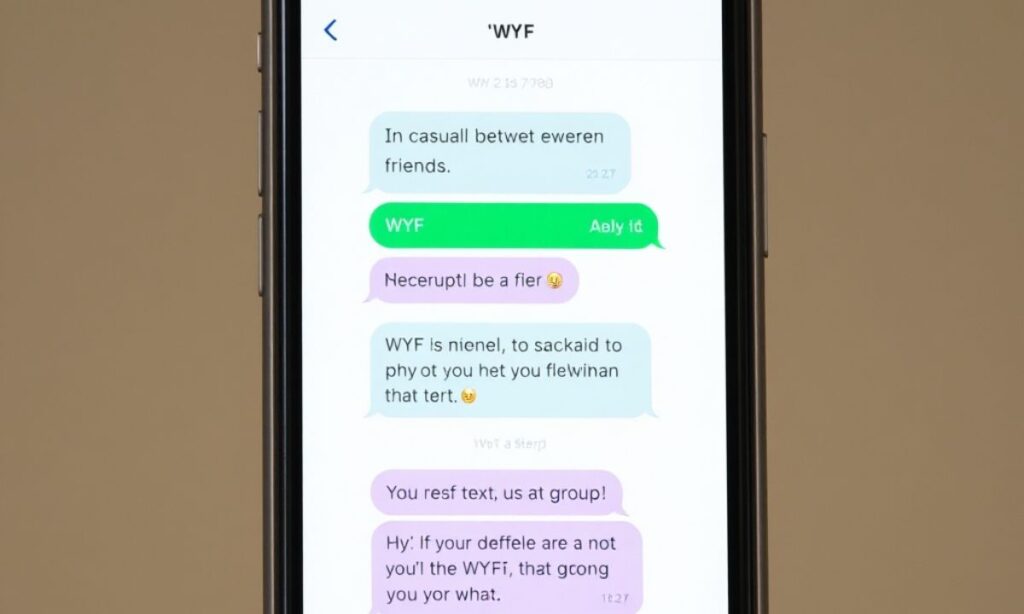
- When your friend texts WYF after you post a cryptic song lyrics, they’re basically asking if you’re okay or just feeling drama-tic.
- Seeing WYF pop up after a rough day is like getting a hug through your phone screen, but with fewer letters.
- In action, WYF works best when you’ve posted something vague and everyone wants the emotional tea without asking directly.
- Real-life example: You share a sunset photo, someone comments WYF, and suddenly you’re having a whole feelings fest in the comments.
- WYF in action is like emotional sonar send it out and see what feelings bounce back through the chat.
- When someone drops WYF in the group chat, it’s basically an invitation to over-share with complete text-pression freedom.
- Example scenario: Your story shows you eating ice cream at midnight, and three friends immediately hit you with WYF they smell emotional trouble.
- In practice, WYF functions as the universal remote control for accessing someone’s current emotional channel.
- Real usage shows WYF is the Swiss Army knife of caring small, efficient, and surprisingly versatile in conversation.
- When WYF appears after you’ve been quiet for days, its friends do a wellness check with maximum text-efficiency.
- In action, this acronym serves as a conversation starter that’s less awkward than “Hey, you seem weird lately.”
- Example: Someone posts gym selfies at 5 AM, gets hit with WYF, and everyone knows something’s emotionally up-lifting.
- WYF works in real life like a fishing line cast into the waters of someone’s emotional state you never know what you’ll catch.
- When deployed correctly, WYF can unlock entire emotional narratives that wouldn’t surface with normal small talk.
- Real-life applications show WYF is perfect for when you care enough to ask but not enough to make it feel-ward.
- In action, WYF transforms ordinary chat threads into impromptu therapy sessions with better response times.
- Example: You tweet something cryptic, get seventeen WYF replies, and realize your feelings are now crowd sourced.
- WYF in practice is like emotional echolocation send out the signal and map the feelings that come back.
- When someone uses WYF after your third coffee post of the day, they’re asking if you’re okay or just caffein-ated to emotional extremes.
- Real-world usage proves WYF is the perfect balance between nosy and caring, landing right in the sweet spot of concerned-nvenient.
- In action, this acronym can defuse tension by making emotional check-ins feel casual instead of interroga-text-ional.
- Example scenario: Late-night texting turns into deep conversation after someone drops WYF at just the right moment.
- WYF works in practice like a key that unlocks emotional doors people didn’t even know they’d closed.
- When used in real life, WYF demonstrates that sometimes three letters care more than three paragraphs.
- Example: Someone changes their profile picture to black and white, gets flooded with WYF, and emotional support appears like text-magic.
- In action, WYF serves as the emotional equivalent of “Are you okay?” but with significantly better aesthetic appeal.
- Real-life deployment shows WYF can turn mundane conversations into meaningful exchanges with just three letters of caring.
- When WYF appears after unusual social media behavior, it’s basically your friends running an emotional diagnostic test.
- Example: You share a playlist titled “Sad Hours,” get multiple WYF messages, and suddenly have a support group through syllable-saving technology.
- In practice, WYF proves that emotional intelligence doesn’t require lengthy words—sometimes brevity communicates care more letter-ally than essays.
Usage Across Different Contexts
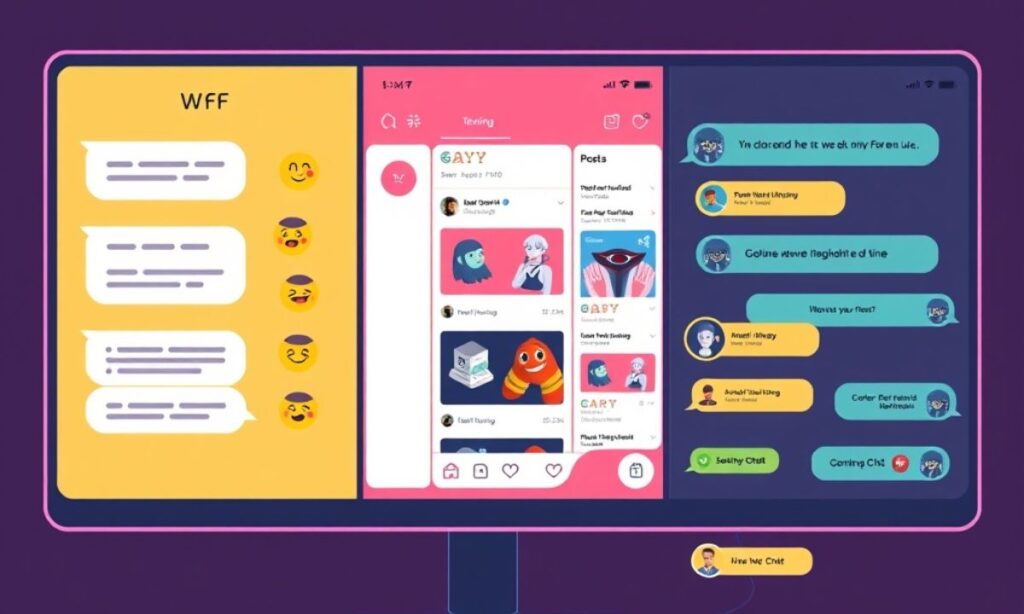
- In texting contexts, WYF slides into conversations smoother than butter on a hot pan pure communica-grease.
- Social media usage shows WYF works equally well in comments, DMs, and replies it’s truly a multi-platform feel-nomenon.
- In professional contexts, WYF is about as appropriate as wearing pajamas to a board meeting contextually questionable.
- Friend group chats embrace WYF like a beloved inside joke that everyone understands instinc-text-ively.
- Usage in dating apps shows WYF can be smooth or awkward depending on timing it’s a context-sensitive love language.
- Gaming communities use WYF when teammates start playing suspiciously badly, checking for emotional situations.
- In family texts, WYF from parents usually means they saw your social media and are concerned but trying to be cool-textual.
- Workplace messaging sees WYF sparingly, because mixing casual acronyms with professionalism creates linguistic whip-clash.
- Different age groups use WYF with varying fluency Gen Z speaks it natively while Boomers need a translator guide.
- In supportive contexts, WYF functions as emotional first aid delivered through the miracle of abbreviated caring.
- Usage among close friends versus acquaintances differs wildly context determines if WYF feels warm or weirdly intrusive.
- In crisis situations, WYF can be either perfectly casual or inappropriately light, depending on the emotional con-text-ture.
- Online communities adopt WYF based on their culture, some embrace it, others consider it too informal for their community standards.
- Usage in different time zones proves WYF is a global language that transcends borders but not bedtimes.
- Academic contexts avoid WYF like plagiarism formal settings demand complete words, not emotional short-scholastic-hand.
- In romantic relationships, WYF usage reveals comfort levels and communication styles in three revealing letters of relation-text.
- Group projects see WYF deployed when someone hasn’t contributed and teammates are passive-aggressively checking their collabora-feelings.
- Different messaging platforms host WYF with varying frequencies its usage adapts to each platform’s unique ecosys-text.
- In mental health conversations, WYF can open doors or trivialize struggles depending on surrounding context-sensitivity.
- Celebrity fan communities use WYF constantly, creating parasocial emotional check-ins with their favor-text icons.
- Usage during conflicts shows WYF can either de-escalate tension or add fuel to the fire—context is every-text-ing.
- In artistic communities, WYF often precedes discussions about creative blocks and emotional inspira-text-tion flows.
- Different cultural contexts interpret WYF through their own lenses, making it globally understood but locally flavor textured.
- Usage in therapy discussions shows professionals prefer full sentences while clients appreciate WYF’s casual approach to heavy topics.
- In breakup situations, WYF from an ex-land differently than from a friend context transform meaning drama-text-ally.
- Educational settings rarely see WYF because teachers prefer students’ express feelings in complete, gradable sentences.
- Usage in fitness communities combines WYF with workout talk, creating hybrid conversations about physical and emotional gains-texting.
- Different personality types deploy WYF uniquely extroverts broadcast it widely while introverts use it selectively in trusted text-works.
- In celebration contexts, WYF shifts from concern-checking to vibe-sharing, proving acronyms are emotionally versa-textual.
- Usage across life stages shows WYF adapts to different emotional needs, from teenage drama to adult existential crises with equal abbreviation-relevance.
Common Misconceptions & Clarifications
- Many think WYF means “Where You From” which leads to geographical confusion in emotional conversa-text-ions.
- The biggest misconception is that WYF shows someone doesn’t care, when it demonstrates care through efficient communication-correction.
- Some believe WYF is always casual, but context can make it deeply meaningful don’t judge an acronym by its letter count.
- Clarification needed: WYF isn’t rude, it’s just streamlined like feelings expressed through a linguistic short-cut.
- People misconceive WYF as purely digital, forgetting it represents real emotional inquiry despite its abbreviation-appearance.
- The myth that WYF is only for young people needs debunking anyone can master three letters regardless of birth-text.
- Common confusion exists between WYF and similar acronyms, creating a whole alphabet soup of misunder-text-ings.
- Misconception alert: WYF doesn’t replace deeper conversations, it just opens the door with fewer syllables of welcome.
- Some think WYF trivializes feelings, but that’s like saying emojis trivialize happiness both are valid emotional express ways.
- Clarifying that WYF works across contexts dispels the myth that it’s only for surface-level chat-ter.
- The misconception that WYF is grammatically incorrect ignores that language evolves through popular use, not textbook approval.
- Many believe WYF always expects long responses, when sometimes a simple emoji reply is perfectly accept-text-able.
- Misconception: WYF is impersonal, when it’s personalized emotional outreach in portable letter format.
- Clarification required: using WYF doesn’t mean you’re emotionally lazy, just efficiently compas-text-ionate.
- Some think WYF is internet slang that will fade away, underestimating its staying power in the linguistic evolu-text-tion.
- The myth that WYF can’t convey genuine concern needs busting—sincerity isn’t measured in word count.
- Misconception: WYF is only appropriate after something bad happens, but it works equally well checking in on good vibes.
- People often confuse WYF with other acronyms, leading to hilariously awkward miscommunications.
- Clarifying that WYF isn’t demanding its optional emotional engagement without the pressure of formal inquiry.
- The misconception that older generations can’t use WYF perpetuates age-ist linguistic stereotypes that need correcting.
- Some believe WYF always requires immediate response, when it’s patient emotional outreach without dead-text-lines.
- Misconception: WYF is only used in crises, but it’s equally valuable for everyday emotional temperature checks.
- Clarification needed: WYF isn’t a replacement for “I love you” or deeper sentiments it’s a different tool in the emotional textbox.
- The myth that WYF shows poor communication skills ignores that adapting language to medium demonstrates social intelligence.
- Misconception: WYF is always informal, but tone and relationship context can make it surprisingly appro-text-iate.
- Some think WYF is exclusively American English, missing its global adoption across English-speaking text-ritories.
- Clarifying that WYF doesn’t obligate emotional labor recipients can respond at their own comfort level and text-pace.
- The misconception that WYF is attention-seeking behavior ignores that asking about feelings is fundamentally caring, regardless of format.
- People sometimes think WYF is passive-aggressive, when usually its genuine inquiry wrapped in abbrevi-sincerity.
- Final clarification: WYF represents linguistic evolution in action, not communication degradation, it’s progress with fewer letters of resist-text-ance.
Similar Terms & Alternatives
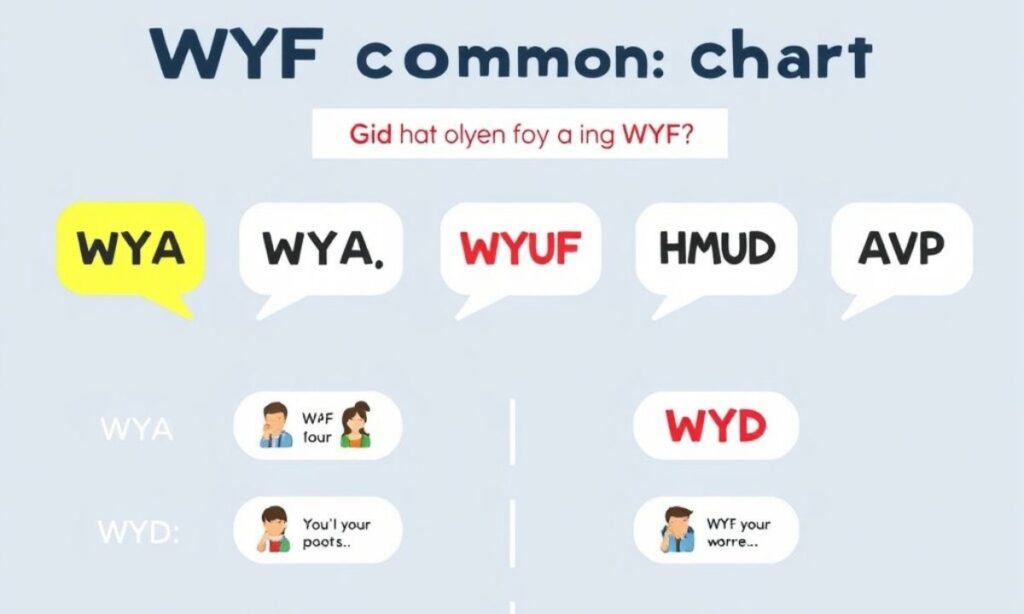
- HRU (How Are You) is WYF’s cousin less emotionally specific but equally abbrevi-related in the family tree.
- WYD (What You Are doing) focuses on actions rather than feelings, making it WYF’s more practical sibling-nonym.
- You could say “What’s your vibe” for similar effect with more letters but arguably better rhythm and synonym-ticity.
- WUBU2 (What You Been Up To) takes the scenic route where WYF is the emotional express-lane alternative.
- SUP is the grandfather of all casual check-ins, making WYF the emotionally evolved descendant in the synonym lineage.
- “How you are holding up” is the full-sentence alternative that trades efficiency for emotional specificity-synonym.
- YGO (You Good) serves similar purpose with different flavor it’s like WYF’s blunt, no-nonsense alter-native-native.
- RUOK (Are You Okay) is the Australian cousin that’s more direct but less open-ended than WYF’s emotional alterna-text.
- “What’s on your mind” is the wordy equivalent that Facebook made famous as WYF’s long-form synonym-counterpart.
- WUTS GOOD combines greeting with inquiry, making it WYF’s cooler, more casual linguistic neighbor native.
- “Talk to me” invites conversation like WYF but with more words and slightly more synonym-manding energy.
- HOWS LIFE trades brevity for scope, asking about everything where WYF focuses on feels-synonym-cifically.
- U OK is minimalist even by acronym standards, making WYF seem verbose by comparison in the alternative hierarchy.
- “What’s happening with you” is conversational WYF for people who haven’t abbreviated their caring into synonym-syllables.
- WUBU (What’s Up with You) splits the difference between casual and caring as a solid WYF alternative-option.
- “How’s your head space” is therapy-speak for WYF, trading slang for clinical synonym-vocabulary.
- WAUG (What Are You Going) through combines action and emotion as WYF’s multi-purpose alter-native-choice.
- “Everything okay” flips WYF from open inquiry to yes-or-no question, changing the conversational synonym-dynamic.
- WASSUP is so casual it’s almost horizontal, making it WYF’s laid-back linguistic alter-ego-native.
- “You seem off” is observational WYF less question, more concerned statement with similar synonym-intent.
- WBU (What About You) works in ongoing conversations where WYF starts fresh emotional synonym-exchanges.
- “Penny for your thoughts” is old-school WYF with vintage charm and more syllables of alternative expression.
- RU DOWN (Are You Down) checks mood and availability, serving as WYF’s action-oriented synonym-variant.
- “How are you really” emphasizes authenticity where WYF leaves interpretation more flexible synonyms.
- WYMM (What’s Your Mental) health status makes WYF seem subtle by comparison in the alternative-spectrum.
- “Vibe check” is Gen Z’s current favorite, functioning as WYF’s trendy synonym-successor in youth culture.
- FEELING OK is statement-question hybrid that mirrors WYF’s purpose with different synonyms-syntax.
- “What’s going on with you” unpacks WYF into conversational length for formal-casual synonym-balance.
- HOWZIT combines multiple questions into one South African alternative that competes with WYF’s synonym-efficiency.
- “You good fam” adds relationship affirmation to emotional inquiry, making it WYF plus bonus synonym-connection-points.
How to Respond to WYF
- The classic “I’m good” works but lacks creativity, spice up your response or risk boring your text-spondent.
- Responding with another acronym like “NBD” (No Big Deal) keeps the abbreviation energy flowing in perfect response-harmony.
- You could answer honestly with actual feelings, which is wild, but apparently what WYF is actually request-sponse-ing for.
- “Same old same old” is the response equivalent of emotional shrugging—functional but uninspired in reply-dynamics.
- Sending an emoji response is valid sometimes faces express feelings better than words in visual respond-munication.
- “Living the dream” works as sarcastic or genuine response depending on emoji accompaniment and contextual response-tone.
- The honest response: “Honestly kind of overwhelmed” opens real conversation, which is brave reply-vulnerability.
- “Can’t complain” is the response of someone who could complain but chooses diplomatic respond-straint.
- Flip it back with “WYF tho” to create infinite loop of emotional inquiry and mutual response-checking.
- “Just vibing” captures modern emotional state perfectly as a response that’s both specific and vague reply.
- Detailed response paragraphs can overwhelm someone expecting brief reply match their energy in response-portionality.
- “Been better, been worse” is the Switzerland of responses neutral ground in the emotional reply-territory.
- Voice notes as responses add personal touch that text can’t match in emotional respond-expression quality.
- “Not gonna lie, struggling a bit” invites support as response that’s vulnerable but not overly respond-dramatic.
- Meme responses communicate complex feelings through humor, making them elite-level reply-strategies for digital natives.
- “Pretty good actually” with specifics shows appreciation for asking in thoughtful response-engagement style.
- “Why you ask” as response can seem defensive unless you add emoji to clarify your joking in reply-tone.
- GIF responses capture mood dynamically moving pictures beat static words in visual respond-communication.
- “Lowkey stressed” is specific enough to be honest but casual enough to not seem too response heavy.
- Matching their energy level in response shows social intelligence—brief question gets brief reply-answer.
- “Thanks for asking” before answering shows gratitude and makes your response more warmly respond-received.
- “On a rollercoaster lately” uses metaphor as response that’s colorful and conversation-extending in reply-quality.
- Delayed responses are fine WYF doesn’t demand immediate answer, it’s patient emotional respond-inquiry.
- “Could use some good vibes” as response invites positive energy without seeming too needy in reply-balance.
- “Honestly don’t even know” is valid response that captures confused emotional state with perfect reply-honesty.
- Specific details make better responses than vague generalities in creating meaningful respond-exchanges.
- “Feeling grateful today” shares positive vibes as response that might brighten both your days in reply-impact.
- Using their name in response adds personal touch: “Thanks for checking in Sarah” elevates simple reply-warmth.
- “Better now that you asked” is sweet response that acknowledges their caring gesture in reply-recognition.
- Responding with question about them shows mutual care: “I’m okay, WYF” creates reciprocal respond-conversation flow.
Regional & Cultural Differences
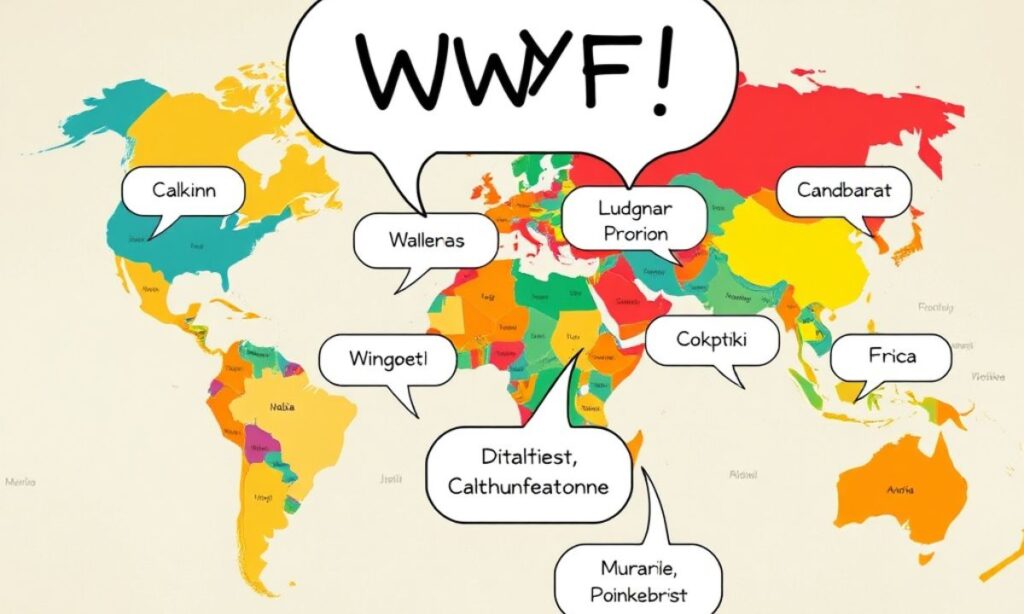
- American teens use WYF like punctuation while British youth might prefer “You alright” in regional linguistic cultural variation.
- Australian slang favors “You good mate” over WYF, proving even acronyms have geographical accent-culture-differences.
- In some Asian cultures, direct emotional inquiry feels intrusive, making WYF’s casualness culturally complicate-regional.
- Urban versus rural usage shows WYF concentrates in cities where fast-paced life demands efficient emotional cultural-checks.
- Southern hospitality might find WYF too brief, preferring drawn-out pleasantries with regional flavor-culture-richness.
- Canadian politeness could interpret WYF as concerningly abrupt unless softened with regional “eh” or cultural-sorry.
- In formal Eastern European communication, WYF might seem inappropriately casual compared to traditional cultural-regional greetings.
- Latin American cultures valuing warmth might enhance WYF with multiple emojis to maintain regional emotional cultural standards.
- Scandinavian directness aligns well with WYF’s efficiency, creating perfect cultural match in regional communication-culture-styles.
- African American Vernacular English birthed many acronyms including WYF, showing cultural ownership in regional linguistic culture-innovation.
- Indian English speakers might blend WYF with traditional greetings, creating hybrid regional-cultural-communication patterns.
- West Coast American usage tends more casual while East Coast might add urgency to regional WYF cultural deployment.
- In collectivist cultures, WYF might extend to group feelings rather than individual emotional regional-culture-states.
- British reserve might make WYF feel uncomfortably probing compared to superficial “Alright” as cultural-regional-preference.
- Middle Eastern communication values elaborate greetings, making WYF’s brevity culturally jarring in regional-culture-context.
- New Zealand shares Australian WYF adoption patterns but adds distinct regional flavor to cultural-usage-variations.
- In multilingual regions, WYF crosses language barriers as universal emotional check-in with cultural-regional-adaptability.
- Southern US might add “hun” or “sugar” after WYF to maintain regional hospitality standards in cultural-communication-warmth.
- Northern European cultures appreciate WYF’s no-nonsense approach to feelings, showing regional-cultural-compatibility in communication.
- Caribbean English speakers might rhythmically adapt WYF to match regional speech patterns and cultural-linguistic-flow.
- In high-context cultures, WYF might carry more weight than in low-context societies, showing cultural-regional-interpretation-variance.
- Irish communication could soften WYF with regional charm through added phrases maintaining cultural-warmth-standards.
- Southeast Asian politeness hierarchies might limit WYF to peers, showing cultural awareness in regional-communication-protocol.
- Mediterranean cultures might find WYF too emotionally restrained compared to expressive regional cultural-communication-norms.
- Canadian French speakers might prefer French equivalents over English WYF, maintaining linguistic cultural-regional-identity.
- In status-conscious cultures, WYF usage depends on relationship hierarchy, adding cultural complexity to regional-social-dynamics.
- Pacific Islander communities might adapt WYF to collective emotional checking, reflecting cultural values in regional-communication-adaptation.
- Scottish directness meshes well with WYF but might add colorful regional language for cultural-flavor-enhancement.
- In cultures emphasizing emotional restraint, WYF might be used sparingly as significant cultural-regional-gesture requiring careful deployment.
- Global digital culture is creating WYF universality while regional variations preserve local cultural-linguistic-diversity in beautiful balance.
Hidden or Offensive Meanings
- Thankfully WYF doesn’t hide offensive meanings, unlike some acronyms that are linguistic landmines of hidden-offense-potential.
- Context can make WYF passive-aggressive if sent after being ignored—timing creates hidden offense-interpretation layers.
- No racial, ethnic, or religious slurs hide in WYF, making it refreshingly clean in hidden-meaning-territory.
- Sarcastic WYF after someone shares good news carries hidden offense through tone rather than letters themselves.
- WYF remains family-friendly across contexts, avoiding the hidden offensive-pitfalls that plague other acronyms.
- Overuse might hide annoyance “WYF already told you I’m fine” reveals hidden offense-frustration in repetition.
- The acronym’s straightforward nature means what you see is what you get without hidden offensive-subtext lurking.
- Sending WYF to someone mid-argument could hide “you’re being unreasonable” offense-message beneath seeming concern.
- Unlike acronyms with double meanings, WYF stays innocent without hidden offensive-interpretations to navigate.
- Cultural differences might create unintended offense, but that’s context is not hidden meaning-offense-problems.
- WYF sent with certain emojis might add layers but still avoids genuinely hidden offensive-content territory.
- Parents using WYF to check if you did chores might hide disciplinary offense-intent behind casual concern.
- The beauty of WYF is its transparency no hidden codes or offensive-meanings-subtext to decode anxiously.
- Ex-partners using WYF might hide “I miss you” or “I’m checking if you miss me” in seemingly innocent offense-free inquiry.
- WYF after ghosting someone carries hidden offense through absence rather than the acronym itself being offensive-meaning-laden.
- Bosses using WYF might hide “you better be productive” concern masked as hidden offense-management-tactic.
- Unlike problematic acronyms, WYF has avoided becoming a slur or gaining hidden offensive-cultural-baggage.
- Competitive friends might use WYF to fish for information, hiding strategic offense-intent behind friendly concern.
- The acronym remains remarkably clean despite internet’s tendency to corrupt innocent terms with hidden offensive meanings.
- WYF to someone obviously struggling might hide judgment “you should be over this” as subtle hidden-offense-subtext.
- Strangers using WYF in DMs might hide romantic interest as friendly concern, creating hidden offense-boundary-issues.
- The lack of hidden meanings makes WYF safer than many slang terms in mixed-company offensive-risk-management.
- Passive parents might use WYF instead of direct confrontation, hiding disappointment as hidden-offense-concern-disguise.
- WYF after someone accomplishes something could hide jealousy beneath seeming support as offense-emotional-complexity.
- Children of divorce getting WYF from both parents simultaneously might feel hidden offense-guilt-implications unintentionally.
- The acronym’s innocence persists despite years of internet use without gaining hidden offensive connotations remarkably.
- WYF in professional settings from competitive colleagues might hide “are you cracking under pressure” as hidden-offense-workplace-politics.
- Repeatedly sending WYF to someone who’s been clear their fine creates hidden offense-boundary-violation-pressure.
- The term remains universally appropriate without the hidden offensive-meanings that plague internet communication constantly.
- Overall, WYF succeeds as rare internet acronym that means exactly what it says without hidden offensive-linguistic-traps to avoid.
Suitability for Professional Communication

- Using WYF in corporate emails is about as professional as wearing Crocs to a board meeting technically possible, suitability questionable.
- Professional settings prefer complete sentences, making WYF suitable for casual workplace chats but not suitability-formal-correspondence.
- Startup culture might embrace WYF as part of laid-back vibe, showing professional suitability-contextual-variation across industries.
- Traditional corporate environments find WYF unprofessional, demonstrating suitability depends on workplace culture-professional-norms.
- WYF to colleagues you’re close with maintains professional boundaries while showing personal suitability-care-appropriately.
- Client communication should avoid WYF unless relationship is very casual and professional-suitability-rapport well established.
- Internal team Slack channels might accept WYF while official communications require professional suitability-formality-standards.
- Using WYF with your boss is risky unless they’ve established casual tone first in professional-suitability-hierarchy-dynamics.
- LinkedIn messages generally demand more professionalism than WYF provides for suitability-business-networking-purposes.
- Creative industry professionals might use WYF more freely than lawyers or doctors in professional-suitability-field-differences.
- Remote work culture sometimes embraces WYF as digital emotional check-in with colleagues showing professional-suitability-evolution.
- Conference call chats might see WYF during breaks but not in formal professional-suitability-meeting-documentation.
- Mentorship relationships could allow WYF to depend on dynamic and professional boundaries of suitability-relationship-development.
- HR communications should avoid WYF to maintain professional suitability-distance-authority in sensitive conversations.
- Coworker texts after hours might appropriately use WYF as work-friendship professional-suitability-boundary-blending occur.
- Job interviews are wrong place for WYF maintain professional suitability-formality-standards when careers are stake.
- Performance reviews requiring professionalism make WYF inappropriate for serious professional-suitability-evaluation-evaluations.
- Workplace friendships complicate professional WYF suitability acceptable in personal texts, questionable in work-professional-contexts.
- Industry conferences might see WYF in informal networking but not professional-suitability-presentation-content or formal exchanges.
- Customer service communications demand professionalism beyond WYF’s casual suitability-client-facing-standards require complete sentences.
- Professional social media like Twitter might accept WYF depending on personal brand and suitability-industry-professional-norms.
- Business casual workplaces create gray areas where WYF suitability requires reading room and professional-culture-assessment.
- International professional communication should avoid WYF due to translation issues and suitability-cultural-professional-differences.
- Younger professionals might push WYF boundaries while experienced workers maintain traditional professional-suitability-standards.
- Email signatures should never include WYF or similar acronyms maintain professional suitability-communication-presentation-standards.
- Work emergency communications need clarity, making WYF unsuitable for urgent professional-suitability-crisis-management-situations.
- Professional development discussions deserve complete sentences beyond WYF’s casual suitability-career-conversation-formality.
- Team bonding activities might embrace WYF as part of building professional-suitability-rapport-culture in relaxed settings.
- Reference letters or recommendations obviously exclude WYF professional suitability-endorsement-standards demand formal language throughout.
- The key to professional WYF suitability lies in knowing your audience, reading context, and erring toward professional-formality-standards when uncertain.
Frequently Asked Questions
- What does WYF mean in texting?
WYF commonly means “Where You From?” in casual text conversations. - What is the WYF meaning on social media?
On social media, WYF is usually used to ask someone about their location or background. - Can WYF have different meanings online?
Yes, WYF can also mean “What You Feel” depending on the conversation context. - Is WYF slang or an acronym?
WYF is an informal internet slang acronym used in chats and DMs. - What does WYF mean on Snapchat or Instagram?
On Snapchat or Instagram, WYF typically means “Where You From?” - Is WYF rude or offensive?
No, WYF is generally neutral, but tone and context matter. - How do you reply to WYF in a text?
You can reply by sharing your city, country, or background. - Do teenagers use WYF often?
Yes, WYF is popular among teens and young adults in online chats. - Is WYF used in professional conversations?
No, WYF is informal and not suitable for professional communication. - Why is WYF popular in online chats?
WYF is popular because it’s short, quick, and easy to type during conversations.
Conclusion
Understanding WYF Meaning: What does WYF mean in texting, social media and online chats? It helps you communicate more confidently in today’s digital world. As online slang continues to evolve, knowing what terms like WYF stand for can prevent confusion and keep conversations smooth across platforms.
In this article, we explored the common meanings, usage contexts, and examples of WYF to make it easy to recognize and respond appropriately. For deeper insights into modern slang and language trends, trusted references like Merriam-Webster (https://www.merriam-webster.com) and Oxford Languages (https://languages.oup.com) are excellent resources to stay updated and informed.

Nyla is a content writer specializing in humor and creative writing. Over the past year, she has developed a knack for crafting engaging, pun-filled content that entertains readers of all ages. Her work at Punszify.com focuses on delivering clever wordplay that’s fun, shareable, and always good for a smile.